

The phenomenon of gamblers relying on gambling for their livelihoods reflects their complex psychological motivations and social circumstances. Many see it as a way to gain financial benefits; however, the high risk and uncertainty of gambling often lead to psychological anxiety and dependence. An in-depth study of the psychological mechanisms behind this behavior can help to understand how individuals weigh risk against reward.
An Exploration of the Ways and Psychologies of Gamblers Who Depend on Gambling for Their Livelihoods
In modern society, gambling has attracted millions of participants as a specific entertainment and investment behavior. However, with the booming of the gambling industry, more and more individuals have begun to view gambling as a means of earning a living. Against this background, this paper aims to explore the complex relationship between the modalities gamblers rely on in this process and their psychological state. Through a review of relevant literature and analysis of case studies, we will reveal the impact of psychological stress, cognitive biases, and social support that gamblers may face while chasing financial gains. In addition, this paper will discuss the potential motives behind gambling behaviors and their long-term impact on individual lives, with a view to providing new perspectives and reflections for research in related fields.
The Social Context and Economic Impact of Gamblers' Survival Styles
The social context of gambling is profoundly intertwined with its economic impacts, and gamblers living on the urban fringes or in agricultural areas often rely on gambling as a means of survival. In these areas, the lack of stable employment opportunities and social security has led many people to take up gambling as a means of livelihood. Gamblers may faceBreakdown of social networks,Mental health issuesas well aseconomic dependenceand other challenges. For them, gambling is not only a source of financial income, but also a way of combating the pressures of life that lead them to try to reverse long-term poverty through short-term luck.
From an economic perspective, the generalization of gambling practices not only affects the distribution of wealth among individual households, but also has important macroeconomic implications. Government tax revenues from gaming can be used for public services and infrastructure, but at the same time, gambling can also lead to increased social costs, including higher crime rates, family disintegration, and increased demand for mental health services. Specifically, gambling booms are often accompanied by.
- Reducing social mobility
- Increased reliance on financial subsidies
- Influencing the values of adolescents
- Exacerbating social inequality
Psychodynamic analysis: gamblers' mindset and decision-making process
A gambler's mental state greatly influences their decision making process. Many gamblers tend to experience gamblingExcitement, anxietytogether withfeel a sense of lossof mood swings, and these emotions can not only drive them to bet more, but can also lead to irrational decisions. For example, when a gambler wins a large sum of money in a game, they may feel stirred up emotionally and in turn risk more money in pursuit of a bigger win. On the contrary, if they suffer consecutive defeats, they may choose to double their bets in order to recoup their losses. This state of mind prompts them to make quick choices in the short term while ignoring the long-term risks.
When analyzing the decision-making process of gamblers, the following psychological factors can be summarized:
- cognitive bias:: Gamblers tend to overestimate their chances of winning and underestimate the possible risks.
- emotionally driven:: Mood swings generated during gambling can directly affect decision-making, leading gamblers to over-bet when they are happy and opt for a wild comeback when they are down.
- social impact: The attitudes and behaviors of other gamblers in the social environment can also have an impact on their decision-making and increase group pressure.
Risk Factors and Coping Strategies for Gambling Addiction
The risk factors for gambling addiction are varied, with different factors intertwining to increase the likelihood that an individual will fall into gambling, from the individual's psychological profile to the influence of the external environment.psychological factorDisorders such as low self-esteem, depression and anxiety often lead people to seek escapist pleasures through gambling. At the same time.social factorIt should also not be overlooked that family environment, the influence of friends and socio-economic status will aggravate an individual's tendency to gamble. For example, children growing up in families with a strong gambling culture are often more likely to develop into gamblers later in life. In addition, thebiological factorFor example, genetic susceptibility is also thought to have some influence on addictive behavior.
To effectively deal with gambling addiction, a range of strategies can be implemented to help gamblers get back on track. First.psychological counselingis necessary, and with the help of a professional counselor, individuals can better recognize their problems and find healthy coping mechanisms. Secondly.Support groupFor example, Gamblers Anonymous provides a platform for communication and sharing of experiences, enhancing the social support network of individuals. In addition.Setting limitsand the use of technological tools (such as web filtering software) can also help gamblers control their impulsive behavior. Finally, educating the public about the risks of gambling and addiction can be effective in reducing the likelihood that people will be exposed to gambling.
Alternatives and social support mechanisms for sustainable survival
In today's society, many people turn to gambling for short-term financial rewards due to the pressure of survival. However, this behavior is often accompanied by significant risks and psychological burdens. In this context, it is particularly important to explore sustainable alternatives for survival. Many researchers have proposed the following alternatives to subsistence, which can both provide financial support to gamblers and promote physical and mental health.
- Skills training. Provide vocational skills training, such as skilled trades and crafts, to help gamblers get out of the gambling ring.
- Counseling. Establishment of a psychological support mechanism to help gamblers cope with the psychological problems caused by gambling.
- Social Networks. Create community support platforms to facilitate communication and encouragement among each other.
In order to better support these populations, society needs to establish better support mechanisms. Such mechanisms may include, but are not limited to, the cooperation of the government, non-profit organizations and community groups. The following are a few potential support strategies that can effectively help gamblers rebuild their lives.
| be tactful | goal | Implementation modalities |
|---|---|---|
| social networking service | Add social support | Formation of mutual support groups |
| Financial coaching | Improving economic management | Provide budgeting and money management courses |
| Legal advice | Debt relief | Introduction of professional legal aid |
Insights and Conclusions
To summarize, an exploration of the ways and psychology of gamblers who rely on gambling for their livelihoods reveals the complexity and diversity behind this phenomenon. Gambling is not only a monetary transaction, but also an intertwining of emotions, social relationships and personal psychology. By analyzing the psychological state of gamblers, we find that gambling behavior not only stems from economic pressure, but is also closely related to individual values, risk preferences and social environment. To better understand this behavior, future research should further explore the effectiveness of social support systems, psychological interventions, and policy formulation to mitigate the negative impact of gambling on individuals and society. Meanwhile, the development of more humane service programs for groups engaged in gambling for a living will be an important direction for future research and practice. It is hoped that the discussion in this paper will provide new perspectives and reflections for understanding this complex issue.


Lost casino tycoon Winn returns to Las Vegas to give a speech
Facebook Twitter WhatsApp Telegram Copy Link Steve Wynne was forced to leave Bo [...]

Predicting Market Dynamics: DraftKings Ranks Third
Facebook Twitter WhatsApp Telegram Copy LinkDraftKings Nearly […]
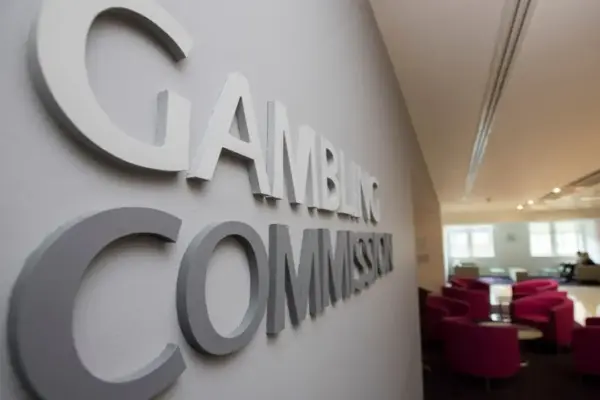
British betting company L&L Europe has been found guilty of irregularities in paying out £900,000.
Facebook Twitter WhatsApp Telegram Copy LinkL & L […]

Football and Politics: Social Issues in the World Cup
Facebook Twitter WhatsApp Telegram Copy Link The World Cup is more than just a sporting event [...]
